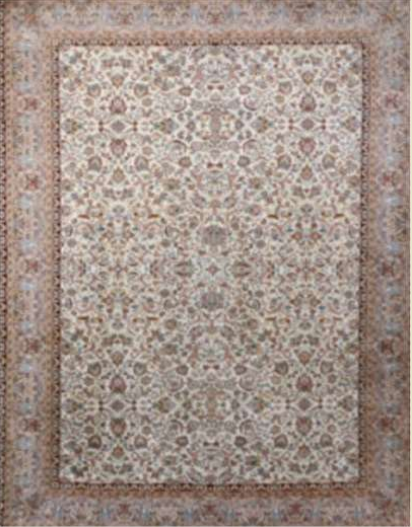
SILK CARPETS
Silk is a natural, luxurious fiber renowned for its exceptional luster, softness, and high tensile strength. Due to its inherent sheen, weavers often use the interplay of light on silk to create stunning visual effects in their patterns, resulting in carpets that appear to change subtly in tone depending on the viewing angle. This captivating shimmer gives silk carpets a regal and refined presence, making them a prized possession in both traditional and contemporary interiors.
Silk makes for exquisite oriental carpets and rugs, admired not only for their beauty but also for the intricate craftsmanship involved. In many cases, silk is woven into woolen carpets to highlight specific design elements, adding richness and depth to the overall aesthetic. Pure silk carpets, however, stand in a class of their own—delicate, dense, and intricately knotted, often with knot counts exceeding a million per square meter.
These luxurious carpets are typically woven on a cotton foundation, although in some of the finest creations, both the warp and weft are made of silk, enhancing both the value and the delicacy of the piece.
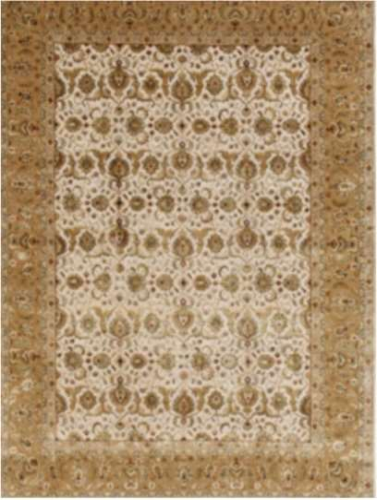
WOOL CARPETS
Wool is one of the most enduring and versatile natural fibers used in carpet weaving, cherished for its durability, warmth, and timeless appeal. Unlike delicate fibers such as silk, wool carpets can withstand high levels of moisture and foot traffic, making them ideal for both residential and commercial spaces. Their resilience allows them to maintain their appearance and integrity over time, even in areas of frequent use.
Wool takes dye beautifully, resulting in rich, vibrant colors that remain vivid for years. Its natural crimp and elasticity provide excellent piling quality, contributing to the plush texture and comfort underfoot. These qualities make wool rugs especially suitable for "rough and tough" usage—living rooms, hallways, and other high-traffic zones.
As a natural, biodegradable fiber, wool is also hypoallergenic and resistant to dust mites and bacteria, making it a healthier choice for indoor environments. This makes wool carpets an excellent option for households with children or allergy-sensitive individuals.
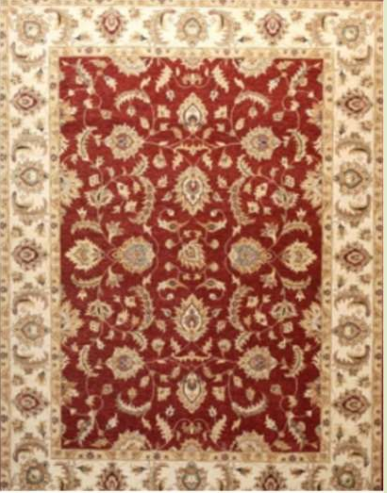
WOOL-SILK CARPETS
Carpet weaving is an age-old art that has evolved over centuries, incorporating a wide range of materials to achieve beauty, functionality, and durability. Among all, wool and silk have historically been the most preferred and widely used natural fibers in traditional carpet making. These fibers are admired for their aesthetic appeal, natural resilience, and luxurious texture.
Wool is known for its durability, softness, excellent insulation, and dye absorption, making it ideal for everyday use. Silk, on the other hand, offers a lustrous finish, fine detailing, and delicate texture, often used in high-end carpets or as decorative highlights in woolen rugs.
Their inherent qualities such as feel, tensile strength, longevity, dye-ability, and natural availability have made wool and silk the foundation of some of the most exquisite and enduring carpets throughout history.
However, with advances in textile technology, synthetic fibers such as nylon, polyester, acrylic, and polypropylene have gained popularity in the modern carpet industry. These man-made fibers offer cost efficiency, increased resistance to stains and moisture, and a wider range of color options, making them suitable for mass production and everyday practical use.
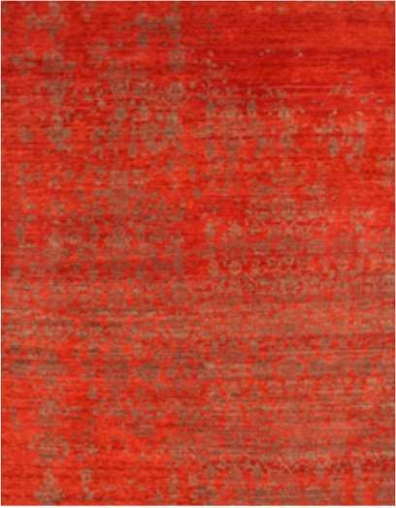
POLYSTER VISCOSE CARPETS
Synthetic fibers have gained immense popularity in the carpet industry due to their affordability, ease of maintenance, and versatility in design and texture. Among synthetic options, several key materials stand out:
-
Nylon
Nylon is the most preferred and widely used synthetic fiber in carpet manufacturing. It is known for its exceptional durability, high resilience, and excellent stain resistance when treated. Nylon carpets can withstand heavy foot traffic, making them ideal for high-traffic residential and commercial spaces. They are also easy to clean and maintain, which adds to their long-lasting appeal.
-
Polyester
Polyester offers a luxurious feel and a wide range of color and texture options, making it a popular choice for budget-conscious buyers seeking aesthetic appeal. While it is less durable than nylon, it is resistant to water-based stains and easy to maintain. However, polyester carpets are more prone to pilling and shedding, and may show wear and matting over time in high-traffic areas.
-
Olefin (Polypropylene)
Olefin is well-suited for outdoor and damp environments due to its strong resistance to moisture, mildew, and water damage. It is also naturally resistant to pilling, static electricity, and fading, making it a great choice for basements, patios, or recreational areas. However, it is less resilient than nylon and can be crushed more easily under heavy use.
OTHER FIBRE CARPETS
Carpets and rugs can be classified into various types depending on the kind of fiber used in their construction. Each fiber offers unique qualities in terms of appearance, durability, comfort, and maintenance requirements. Below are the major types:
-
Bamboo Carpets
Made from natural bamboo fiber, these carpets are eco-friendly, sustainable, and have a distinct texture. Bamboo carpets are known for their durability, resistance to moisture, and modern aesthetic, making them suitable for contemporary interiors.
-
Coir Carpets
Derived from coconut husk fibers, coir carpets are coarse, tough, and highly durable. They are ideal for use in entryways, hallways, and outdoor settings where heavy foot traffic is expected. Coir is also naturally resistant to mold and mildew.
-
Jute Carpets
Jute is a soft, shiny natural fiber with a golden sheen. Jute carpets offer a warm, earthy look and are biodegradable and eco-friendly. However, they are best suited for low-traffic, dry areas as they are more delicate and susceptible to moisture.
-
Wool Carpets
Wool is the most traditional and widely used natural fiber for premium carpets. It offers excellent comfort, insulation, and durability. Wool carpets are suitable for high-traffic areas and are naturally flame-resistant and hypoallergenic.
-
Silk Carpets
Silk carpets are luxurious, elegant, and exceptionally soft with a rich, glossy appearance. Often handwoven, these carpets are considered works of art and are typically placed in low-traffic areas to preserve their intricate detailing and delicate texture.
-
Staple or Synthetic Carpets
These carpets are made from man-made fibers like nylon, polyester, acrylic, or polypropylene. Synthetic carpets are widely popular due to their affordability, stain resistance, low maintenance, and availability in a wide range of colors and styles. They are ideal for modern households and commercial spaces.
INDIAN HANDTUFTED CARPETS
In this technique, the carpets have their pile injected a backing material with the help of tufting gun, which is itself bonded to a secondary backing cloth with the use of latex solution to provide stability. Then third backing cloth is used with and finishing is carried out. The tufted carpet can be produced either with loop pile or cut pile. Click below for video Hand Tufting
MAHAL CARPETS
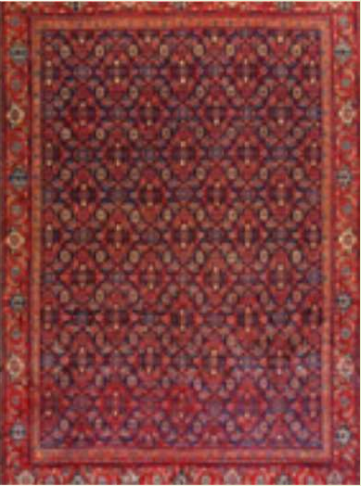
Mahal carpets, originating from the region of Mahallat in Persia and later adapted in India, are known for their nonfigurative floral designs. These carpets typically feature stylized, abstract floral motifs arranged in an all-over or medallion layout, with an emphasis on harmony, balance, and decorative elegance rather than realistic or figurative representation.
The patterns in Mahal carpets often display a soft and flowing composition, making use of curvilinear vines, palmettes, and rosettes, giving the design a graceful and timeless appeal. The colors used are generally earthy and muted, such as deep reds, blues, and beiges, contributing to their vintage and antique charm.
Mahal carpets are usually woven with wool on a cotton foundation, ensuring both softness and durability. Their sturdy construction and versatile design make them well-suited for a variety of interior styles, from traditional to contemporary.
These carpets are highly valued for their aesthetic simplicity, robust quality, and understated beauty, often found in large formats, perfect for living rooms, dining areas, and expansive interiors.
INDO-TURKISH CARPETS
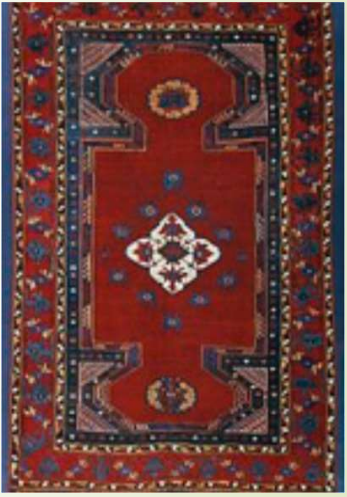
Indo-Turkish carpets draw inspiration from the rich and diverse textile traditions of Asia Minor (modern-day Turkey). The designs, motifs, and ornamental elements seen in these carpets reflect the complex political, ethnic, and cultural history of the region—shaped over centuries by various dynasties, empires, and nomadic influences.
These carpets often feature geometric motifs, stylized florals, medallions, and tribal symbols, each carrying symbolic meanings tied to heritage, belief systems, or local customs. Over time, these traditional Turkish patterns were adapted by Indian artisans, resulting in a beautiful fusion of Ottoman-era designs with Indian weaving techniques and aesthetics.
Typically woven with high-quality wool or a wool-cotton blend, Indo-Turkish carpets are both durable and visually compelling. Their color palettes range from rich, earthy tones to deep reds, indigos, and golds, enhancing their traditional appeal.